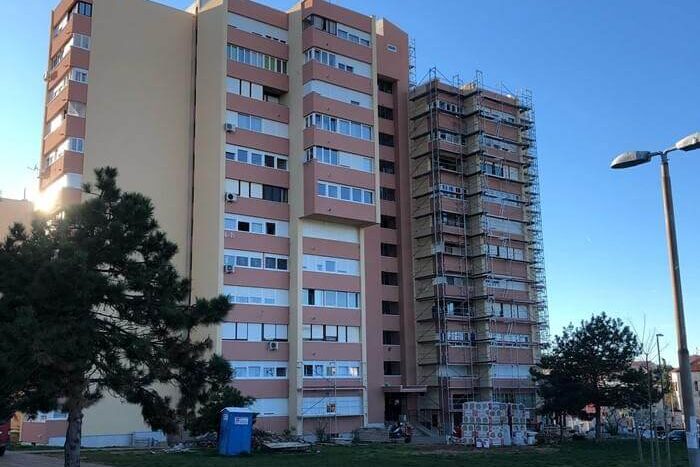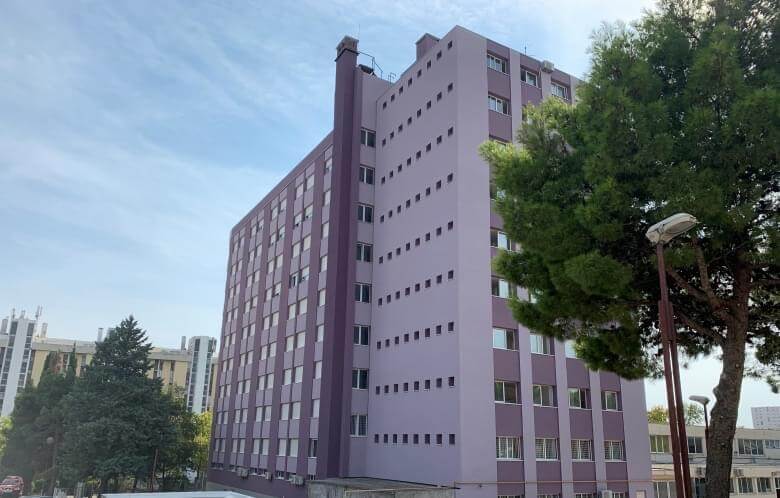
The term energy renovation means increasing the thermal protection of the building's outer envelope, replacing external windows and doors, and replacing or upgrading the heating/cooling system, as well as measures to use renewable energy sources. The choice of measures depends on the energy status and type of the building, the way it is used and the location, and it is ideal to apply more measures to ensure their synergistic effect and a significant reduction in energy consumption. The goals of a well-integrated system are to improve energy efficiency, i.e. lower annual heat energy consumption and the related reduction of CO 2 emissions . By improving the thermal characteristics of the building envelope (facade, carpentry), transmission and ventilation heat losses are reduced and the expected energy savings for heating and primarily cooling are achieved.
Most of the existing buildings were built by the end of the 1980s and have poor or no thermal
insulation, which is why they are large energy consumers and belong to energy classes (E, F or G).
By implementing energy renovation measures, various benefits are achieved, which relate to:
- energy consumption, which is reduced up to five times
- the emission of carbon dioxide is significantly reduced
- the comfort of living and working increases
Energy renovation of an object (building) represents the greatest potential for energy savings in existing buildings, and at the same time it is an opportunity for their thorough modernization. Most of the energy is lost through the facade, and it is extremely important to correctly dimension and install thermal insulation on all external walls. By using modern thermal insulation and standards, it is possible to reduce heating and cooling energy consumption. Thermal insulation of the building reduces heat losses in winter, overheating of the space in summer, and protects the load-bearing structure from external conditions and strong temperature stresses. A thermally insulated building is more comfortable to live in, extends its lifespan and contributes to environmental protection.